Recovery is not the opposite of training — it is what makes training count. In Bali, the ingredients for an exceptional weekly recovery practice are already on the table: warm air, a steady ocean, and the kind of slower pace most cities have forgotten. The trick is to organize them intentionally.
Heat: the most underrated tool
A handful of well-controlled studies on regular sauna use point to meaningful effects on cardiovascular markers, perceived stress, and sleep quality. The most consistent advice in the literature is unglamorous: three to four sessions a week, twenty minutes per session, hot enough to break a real sweat. In a tropical climate, evening sessions are easier to recover from than midday ones.
Cold: short, sharp, and rare enough to matter
Cold exposure is having a moment, and like most things having a moment, the dosing has gotten loud. The evidence supports brief immersions — two to three minutes, two or three times a week — done away from your hardest training sessions, not stacked on top of them. The point is not endurance. The point is the controlled stress response and the calm on the other side of it.
Stack heat, cold, and ocean across a week — not into a single day. The nervous system rewards rhythm, not heroism.
Ocean: the recovery you forget you're doing
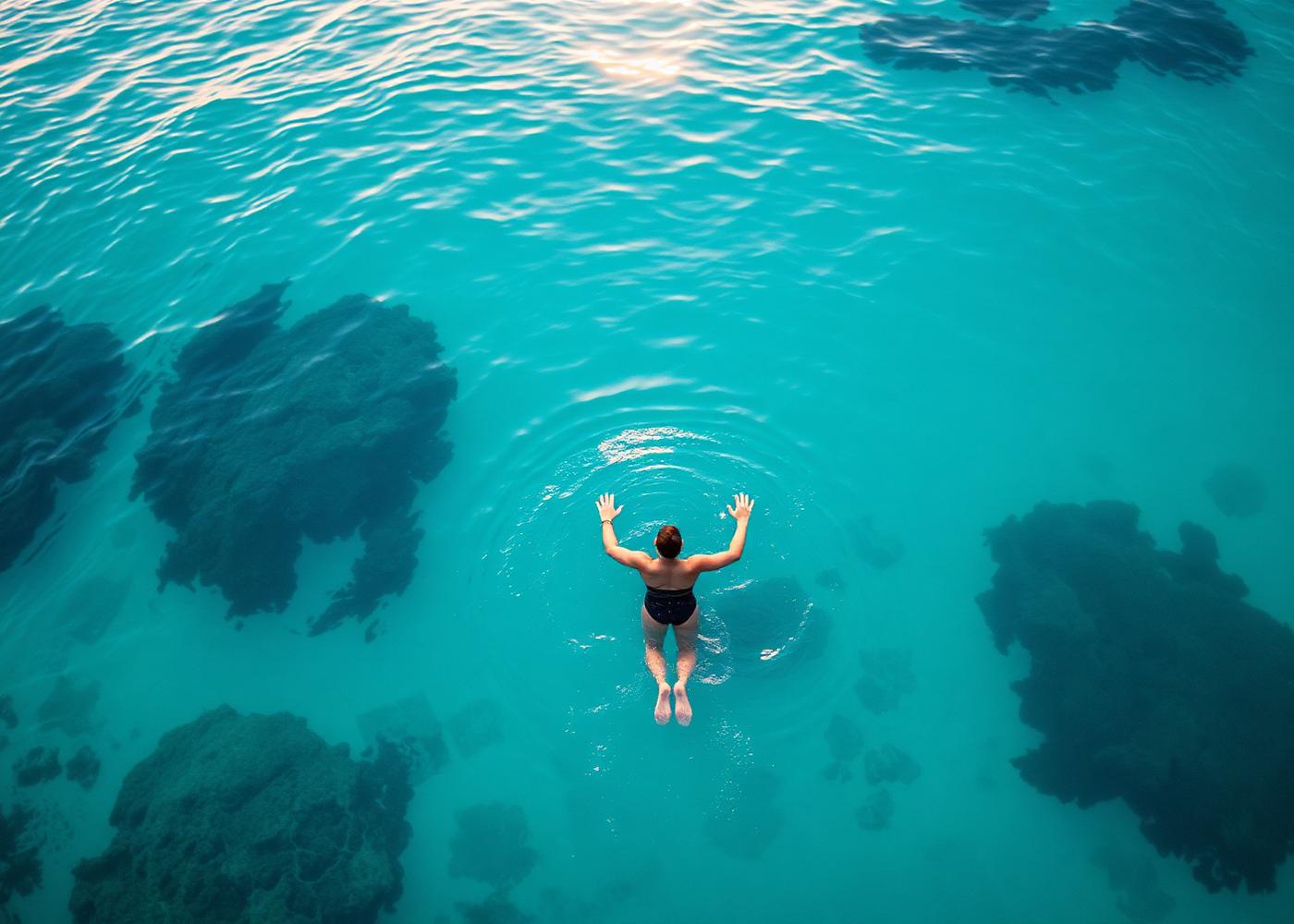
An unhurried swim in warm salt water is a uniquely Balinese form of active recovery: low-impact movement, immersion, sunlight on the skin within the first hours of the day. If you can build a weekly rhythm of two or three ocean mornings, much of what people chase in a recovery protocol falls into place on its own.
A sample week
Monday — sauna, evening. Tuesday — easy ocean swim at sunrise. Wednesday — rest. Thursday — sauna, evening. Friday — cold plunge after morning movement. Saturday — long, slow ocean swim or surf. Sunday — full rest, early sleep. None of this is prescriptive. It is a frame you can move things inside of without losing the shape.
If you would like help building a recovery practice that fits your training, your travel, and the climate you are actually living in, a consult is the right place to start.
Ready to put this into practice?
Book a consult →Related services